
Notice: Test mode is enabled. While in test mode no live donations are processed.

$ 0
Select Payment Method
Apoio Healthbot

Blog Post

Compassion

The Future of Vaccination: How AI Is Closing Health Gaps

“This system didn’t just remind parents—it reshaped the way healthcare is delivered in rural areas. It’s AI with a human heartbeat.”

Artificial intelligence (AI) has become one of the most promising technologies of the 21st century, with the potential not just to transform industries in wealthy nations — but to save lives in places where healthcare systems are under strain. In a landmark announcement at the World Economic Forum 2026 in Davos, the Bill & Melinda Gates Foundation and OpenAI unveiled a joint $50 million initiative aimed at strengthening primary healthcare delivery in African countries. [Reuters]

This collaboration, called Horizon1000, aims to bring AI‑driven tools and capacity to 1,000 primary health clinics starting in Rwanda, with plans to scale across sub‑Saharan Africa by 2028. It represents one of the most ambitious efforts yet to use generative AI and machine learning not for novelty, but for practical, life‑saving healthcare applications. [mobihealthnews]


Why This Matters: AI as a Catalyst for Healthcare in Africa

Sub‑Saharan Africa faces some of the most extreme disparities in global health outcomes. The region carries the highest burden of preventable deaths and suffers from a chronic shortfall in healthcare workers — nearly 6 million too few to meet basic care needs.

AI’s potential in health is multifaceted:


  • Administrative support for clinicians: AI can help reduce paperwork, automate clinical documentation, and make patient intake more efficient.
  • Decision support: Large language models (LLMs) can help clinicians access up‑to‑date treatment guidelines and clinical pathways.
  • Language and accessibility: AI tools can bridge language gaps between local communities and healthcare providers.
  • Task shifting: Instead of replacing health workers, AI can amplify their impact — a critical distinction in regions with severe workforce shortages.


OpenAI’s official project overview highlights how AI’s rapid technical advances are ready for real‑world deployment not just in research labs, but to meaningfully improve care quality and expand access.


Horizon1000: What This Initiative Will Deliver

At its core, Horizon1000 is designed to support frontline health workers and advance primary care — not to create a Geneva‑style AI replacement for human providers. Here’s how the initiative is structured:


AI‑Powered Clinical Tools

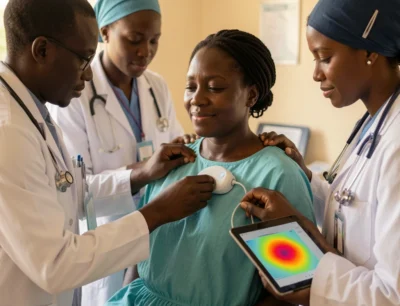
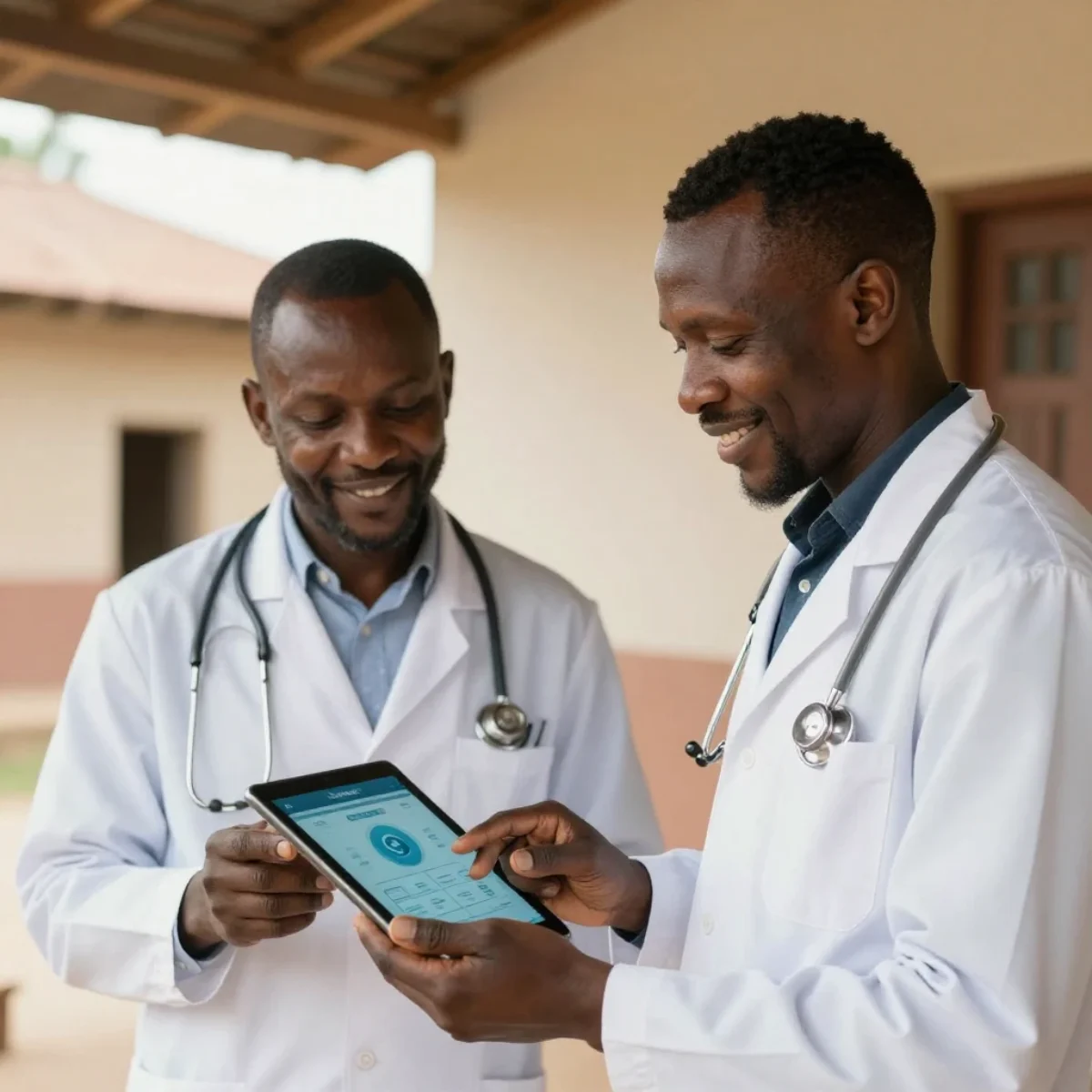
AI systems will be deployed to help with triage, clinical decision support, referrals, and patient followups. This will reduce time spent on administrative tasks and allow clinicians to focus on direct care.


Local Leadership & Co‑Design

African governments and health ministries — beginning in Rwanda — will play a central role in defining how AI gets implemented. This community‑centred approach aims to avoid one‑size‑fits‑all deployment and instead adapt tools to local realities and clinical standards.


Infrastructure and Technical Support

The $50 million investment will provide clinics with the necessary technology infrastructure, training, and ongoing technical support, bridging gaps that often make AI research inaccessible in low‑resource settings.


Long‑Term Impact Across Africa

While Rwanda is the starting point, the ultimate goal is to impact 1,000 primary care facilities across multiple African countries by 2028 — a bold example of scalable, AI‑powered health systems strengthening.


Strategic Importance for Global Health and Tech Collaboration

This initiative arrives at a critical time. Global development assistance for health has declined sharply in recent years — a trend linked to rising preventable child mortality for the first time this century.

By contrast, AI investments continue to accelerate. Partnerships between philanthropic leaders like Gates and AI pioneers like OpenAI demonstrate how philanthropy + technology can form a new model for tackling entrenched health inequities. These collaborations also set standards for ethical AI deployment, governance, and evaluation in diverse cultural contexts.


Looking Ahead

The Gates Foundation & OpenAI partnership marks a paradigm shift — one where deep tech meets deep commitment to human wellbeing. As Horizon1000 unfolds, the world will be watching how generative AI can help health workers save thousands of lives — not by replacing human care, but by expanding its reach and effectiveness.

Similar Posts

The Future of Vaccination: How AI Is Closing Health Gaps

AI is boosting vaccine rates in rural India. See how smart tracking tech in Fatehpur raised child coverage to 95%—a mo

Building Trust in AI-Driven Medicines: A New Global Framework

EMA and FDA align on AI in medicine development—paving the way for smarter, safer, and globally harmonized healthcare

Inside the AI Race That’s Reshaping Global Healthcare

Anthropic and OpenAI launch healthcare AI tools just days apart. Is this a new era in medicine—or the start of an AI a

Bottom Image